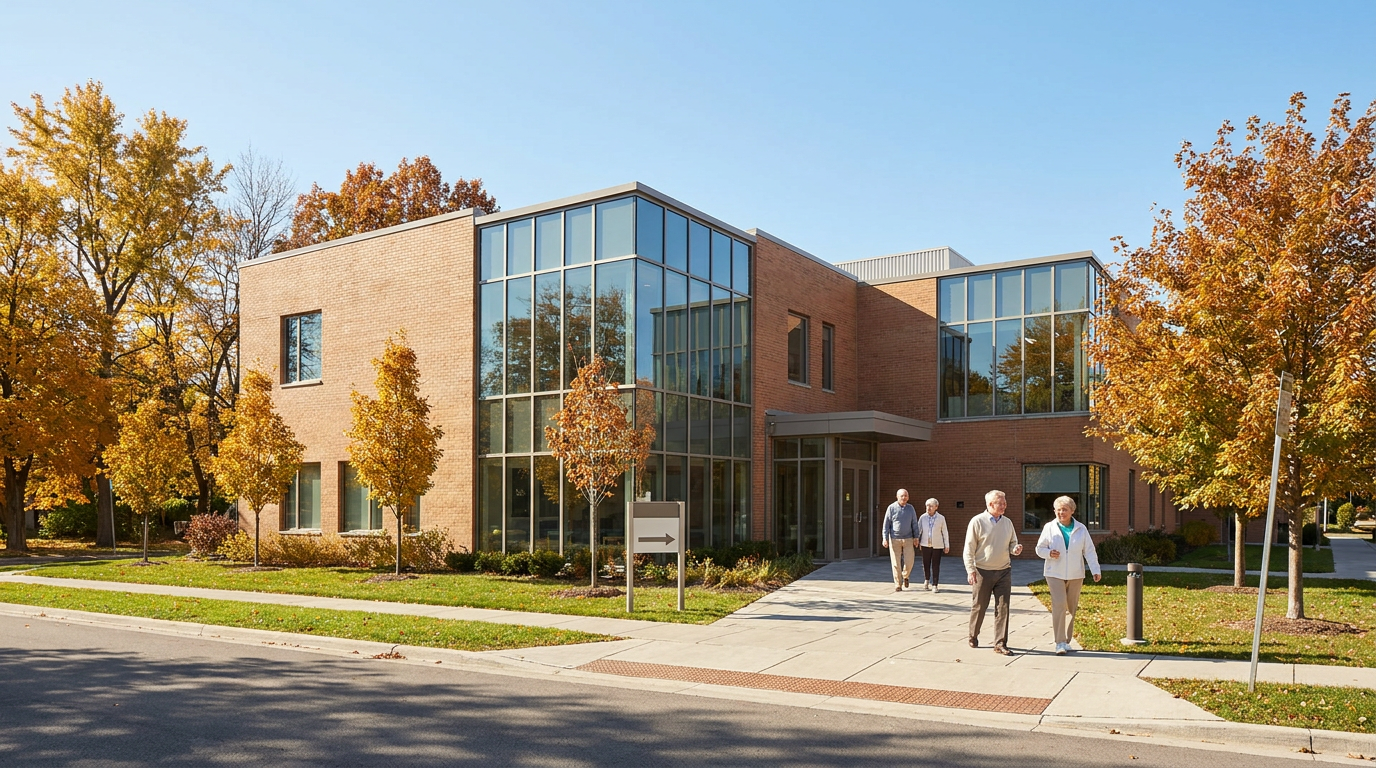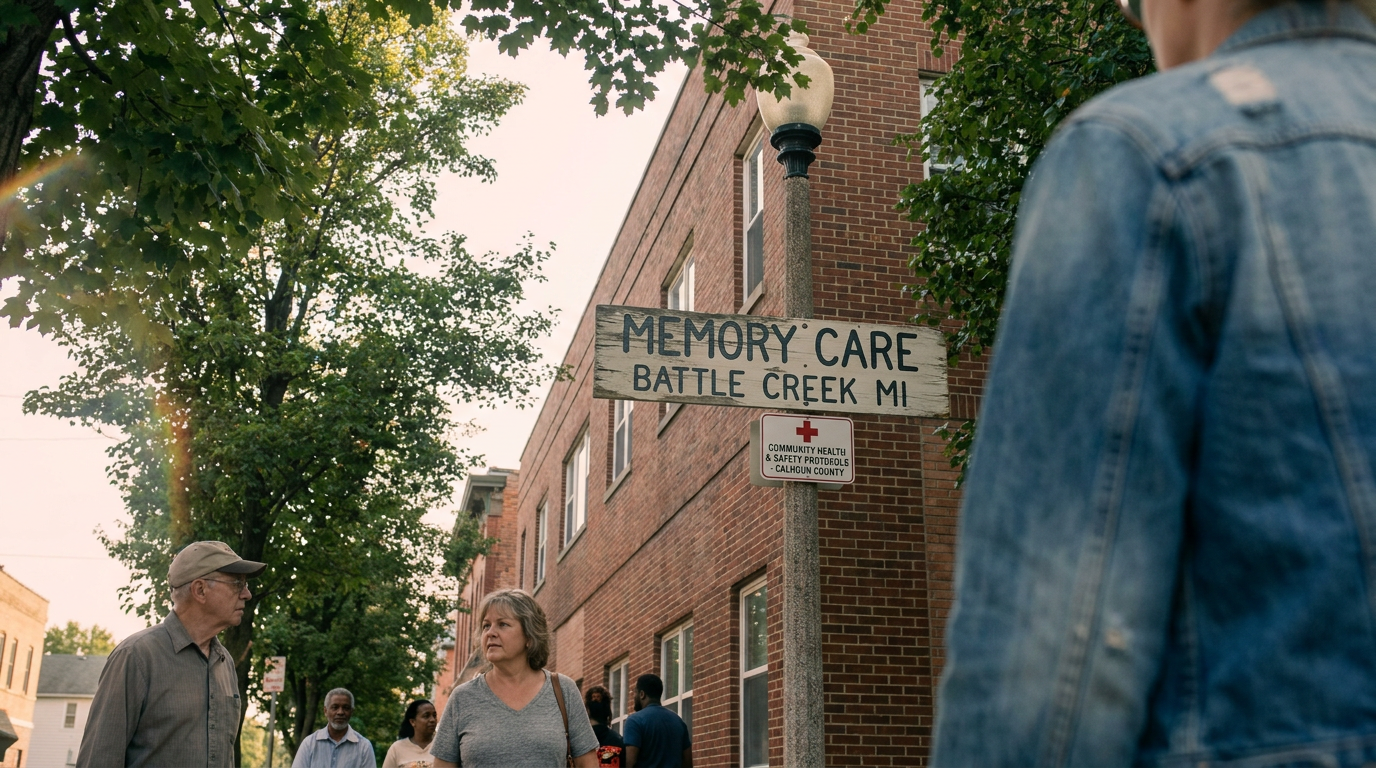
Walking through the front doors of a specialized environment for cognitive health often brings a mix of relief and apprehension for families. You might notice the soft lighting, the secure entries, or the gentle tone of the staff members who greet you. At Heritage Assisted Living, we understand that this transition represents a significant shift in the rhythm of your family life, moving from constant worry toward a structured, communal approach to safety.
Establishing safety protocols for cognitive decline in Calhoun County
Security is the foundation of any reputable memory care battle creek mi offering. When a loved one begins to wander or loses their sense of direction, the home environment often becomes a source of risk rather than comfort. Our team implements specific environmental modifications designed to reduce anxiety and prevent accidents while maintaining a sense of openness.
Secure perimeter and wandering prevention
We utilize advanced monitoring systems and keyed entries to ensure that residents remain within a safe, supervised area. These systems are not meant to be restrictive but rather to provide a container where individuals can move freely without the risk of getting lost. Heritage Assisted Living prioritizes these safety measures so that families can sleep soundly knowing their relatives are protected twenty-four hours a day.
Designing spaces for reduced agitation
Physical surroundings play a massive role in how someone with dementia perceives their world. At Heritage Assisted Living, our floor plans are intentionally simple to navigate, reducing the "dead ends" that often lead to frustration or confusion. We use color-coded pathways and clear signage to help residents identify their own living areas, fostering a sense of accomplishment and ownership over their surroundings.
Emergency response and licensed nursing care
Safety extends beyond physical barriers to include clinical preparedness. Having licensed nursing care on-site means that changes in health status are caught early. Our staff members are trained to recognize the subtle shifts in behavior that might indicate a urinary tract infection, dehydration, or pain, which are common triggers for increased confusion in seniors.
Enhancing daily engagement through personalized care plans
Moving into a community should not mean the end of personal growth or daily joy. We believe that every resident retains a core identity that deserves to be celebrated regardless of their cognitive stage. Heritage Assisted Living develops a unique strategy for every individual, ensuring that their history, preferences, and remaining strengths are at the center of their daily routine.
Tailoring activities to personal history
If a resident spent their life as a gardener, we find ways for them to interact with plants or soil in a safe, guided setting. Our personalized care plans include details about former occupations and hobbies because these memories often remain accessible long after newer information fades. By tapping into these long-term memories, we help residents feel competent and connected to their past.
Social interaction and community belonging
Isolation is one of the greatest threats to wellness for those living with dementia. Our supervised personal care includes structured group sessions where residents can interact with peers in a low-pressure environment. Whether it is a music therapy session or a simple group meal, these interactions provide the social stimulation necessary to maintain mood and cognitive function for as long as possible.
Nutritional support and mealtime assistance
Mealtimes are often a challenge for those with memory loss, as sensory overload can lead to poor intake. We offer specialized dining assistance, providing high-calorie, nutrient-dense options in a calm setting. At Heritage Assisted Living, we focus on making dining a social highlight of the day rather than a stressful task, ensuring that every resident receives the hydration and nutrition they need to thrive.
Navigating the clinical transition with licensed assessments
Understanding exactly how much help a loved one needs is a complex process. It involves looking beyond the surface to see how they handle executive tasks and physical needs. Our team at Heritage Assisted Living conducts thorough evaluations to determine the appropriate level of intervention required for each new member of our community.
Professional care level assessment process
We start with a comprehensive review of the individual's physical health, cognitive status, and ability to perform activities of daily living. These licensed assessments help us determine if a resident is a better fit for traditional Assisted Living or our specialized memory support wing. This clarity prevents the "one size fits all" approach that can lead to either under-serving or over-stimulating a resident.
Integrating hospice care coordination
Dementia is a progressive journey, and there may come a time when the focus shifts from rehabilitation to comfort. We offer hospice care coordination to ensure that residents can remain in their familiar surroundings even as their needs become more complex. This continuity of care is vital for maintaining dignity and peace for both the resident and their family members.
Regular plan updates and family communication
A care plan is a living document that must change as the resident changes. We hold regular meetings with families to discuss progress and adjust strategies. At Heritage Assisted Living, we view families as partners in the care process, relying on your insights to help us refine our approach as the cognitive condition evolves over time.
Choosing the right apartment options for cognitive comfort
The physical space an individual occupies becomes their sanctuary. While the larger community provides social opportunities, the private apartment is where a resident can decompress and feel truly at home. We offer various layouts designed to balance privacy with the need for frequent check-ins by our staff.
Simplicity and safety in room design
Our apartments are designed to be "dementia-friendly," meaning they lack the clutter and confusing layouts that can cause falls or anxiety. Features like walk-in showers, grab bars, and emergency call systems are standard. We encourage families to bring familiar items from home, such as a favorite quilt or photos, to help the new environment feel recognizable and safe.
Balancing privacy and supervision
While we respect the privacy of every resident, our staff provides regular wellness checks throughout the day and night. This level of supervised personal care ensures that no one is left alone for long periods, yet residents still have a place to call their own. It is the perfect middle ground between the isolation of living alone and the clinical feel of a hospital ward.
Accessibility for all mobility levels
Cognitive decline often coincides with physical frailty. Our building is fully accessible, ensuring that residents who use walkers or wheelchairs can navigate the halls and common areas with ease. Heritage Assisted Living is committed to removing physical barriers so that residents can participate in as much of the community life as they desire.
Frequently asked questions about memory care battle creek mi
What is the difference between assisted living and memory care?
Standard assisted living focuses on helping seniors with physical tasks like dressing or bathing while they maintain a high degree of cognitive independence. Specialized memory care at Heritage Assisted Living provides a higher staff-to-resident ratio, a secured environment to prevent wandering, and programming specifically designed to address the symptoms of Alzheimer's and other forms of dementia.
How do you handle residents who become agitated or aggressive?
Our staff is trained in de-escalation techniques that focus on redirection and validation rather than confrontation. We look for the root cause of the agitation, such as pain or environmental overstimulation, and address that underlying need. Our goal is always to maintain a calm, peaceful atmosphere for all residents in our Battle Creek facility.
Can residents bring their own furniture to their apartments?
Yes, we highly encourage families to bring personal items to decorate the apartment. Familiar furniture and belongings can significantly reduce the confusion during the transition period. Having a recognizable chair or a family photo gallery helps the resident feel that this new space is truly their home.
How is the staff trained for memory support?
Our team receives specific training in the stages of dementia, communication strategies, and person-centered care. We focus on the "Best Friends" approach, building a relationship of trust with each resident. This specialized training ensures that every interaction is handled with the patience and expertise required for cognitive health support.
Start your journey with Heritage Assisted Living
If you are struggling to manage the complexities of cognitive decline at home, it may be time to explore the options available in Battle Creek. Our team is here to provide the supervised personal care and specialized attention your loved one deserves. We invite you to contact us today to schedule a tour of our community and learn more about our personalized care plans. Let us help you transition from being a full-time caregiver back to being a supportive daughter, son, or spouse. Visit our website at https://heritageassisted.care to see how we can serve your family.